Astronaut Shadow Box Papercut Art: A Designer's Review
When I first pulled up the Astronaut Shadow Box Papercut Art on my screen, I wasn't just looking for a cute space theme; I was looking for structural integrity. As someone who spends hours hooping fabric and trimming jump stitches, my first impression of any machine embroidery design is always about how it will translate from a digital preview to a tactile finished product. This specific file, marketed as an "Astronaut Space 3D Shadow Box SVG," immediately caught my eye with its layered aesthetic. However, before committing this to a client order or adding it to my Etsy seller inventory, I needed to dissect how these nine layers of "dreamy galaxy" art would actually behave under the needle.
The Visual Mood and Layout Potential
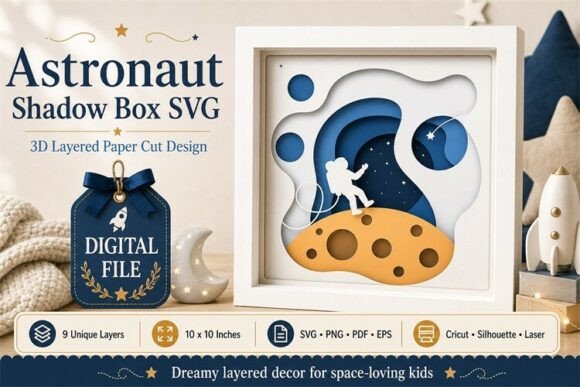
The core appeal of this Astronaut Shadow Box Papercut Art lies in its depth. Unlike standard flat fills, this design mimics the popular paper-cutting trend where layers create a sense of distance and atmosphere. The layout features a curious astronaut exploring a distant planet, surrounded by celestial elements that suggest movement and vastness. For a designer, this offers a fantastic opportunity to play with thread colors. The gradient potential here is significant. If you are creating a personalized gift for a child's nursery or a boutique small shop product, the ability to shift from deep indigos to vibrant purples allows for high customization.
Visually, the design feels modern and slightly whimsical without being childish. This makes it versatile enough for custom apparel ranging from toddler onesies to adult hoodies. The "shadow box" effect relies heavily on the contrast between the layers. In a real-world scenario, if you are stitching this onto a dark navy sweatshirt, you must ensure the lighter galaxy layers have enough opacity or density to pop against the background. A flat, low-density fill might get lost, ruining the 3D illusion this digital embroidery file promises.
Real-World Application: The Custom Tote Bag Scenario
To truly test the viability of this design, I imagined a specific project: a custom embroidered tote bag for a local science museum gift shop. Tote bags are notorious for having a loose weave and some stretch, which can be tricky for detailed designs. Using the Astronaut Shadow Box Papercut Art here requires careful planning. Because the design relies on multiple layers to create its signature look, registration is key. If the layers shift even slightly during stitching, the clean lines of the astronaut's helmet or the planet's rings could blur.
For this application, I would recommend using a heavy-duty cutaway stabilizer. Since the design acts like a complex applique design in terms of layering, the fabric needs to remain perfectly static. The result, if executed correctly, would be a stunning piece of wearable art that elevates a simple canvas bag into a premium item. Customers are drawn to items that look intricate and hand-crafted, and this design delivers that handmade product feel while maintaining the consistency required for commercial embroidery.
Navigating Fabric Textures and Hoop Constraints
While the artistic merit is high, practical constraints exist. The term Shadow Boxes in the title suggests depth, but in embroidery, depth often means more stitches and larger dimensions. You must verify the hoop size compatibility before purchasing. If your machine only supports a 4x4 hoop, this multi-layered composition might be too large or require splitting, which is rarely ideal for this style of art. Furthermore, when working on textured fabrics like terry cloth towels or thick fleece blankets, the finer details of the galaxy stars or the astronaut's visor might get swallowed by the fabric texture.
I also advise caution when placing this on curved surfaces like caps. The 3D SVG nature of the source file translates to a dense stitch pattern in the embroidery version. On a curved cap crown, dense stitching can cause puckering or distortion, especially if the design includes large solid areas of fill stitch. For hats, it might be better to simplify the background layers or reserve this design for flat panels on backpacks or embroidered patch creations where the stabilizer can be fully supported.
Stitching Clarity and Commercial Value
The true test of any design asset is its impact on brand perception. Using the Astronaut Shadow Box Papercut Art in your portfolio signals that you understand current design trends. The layered approach adds a level of sophistication that basic satin stitch logos lack. However, this complexity demands precision. You need to inspect the stitch density carefully. If the layers are too close together, the thread buildup can become excessive, making the back of the garment uncomfortable and the front look bulky.
For craft business owners, this design is a strong candidate for holiday gifts or baby showers, provided you manage customer expectations regarding care. Dense, multi-layered designs often require gentle washing to maintain their crisp edges. Clearly communicating this to your buyers builds trust and ensures the finished product lasts. Additionally, consider testing the design in black and white mockups first. If the design loses its definition without color, it may rely too heavily on hue rather than form, which could be a risk if a customer requests a monochromatic theme.
Essential Pre-Stitch Checklist
Before running this design on a final garment, every professional should follow a strict protocol to ensure quality control. Here is how I approach integrating new files like this into my workflow:
- Scrap Fabric Testing: Always stitch a sample on the exact same fabric weight and type you plan to use for the final order. This reveals how the running stitch outlines and fill areas interact with the material.
- Color Contrast Verification: Experiment with different thread palettes. A "dreamy galaxy" can look very different with neon threads versus pastels. Ensure there is enough contrast between the nine layers so they don't blend into a muddy mess.
- Stabilizer Selection: Given the layered nature, err on the side of more support. A mesh cutaway is often safer than tear-away for designs with this much detail.
- Licensing Confirmation: Since this is intended for potential resale as a small shop product or printable mockup element, double-check the license terms. Ensure the file allows for commercial use of the physical stitched items.
- Detail Inspection: Zoom in on the smallest elements, such as the stars or the astronaut's tools. If these areas are too small for your needle size or thread weight, you may need to edit the file or remove those specific layers.
In conclusion, the Astronaut Shadow Box Papercut Art is a compelling choice for designers looking to add depth and narrative to their projects. It bridges the gap between digital illustration and textile art beautifully. However, its success depends entirely on the executor's attention to detail regarding stabilization, fabric choice, and thread management. When treated with the respect a complex, multi-layered design deserves, it can transform a simple tote bag design or sweatshirt embroidery project into a standout piece that customers will cherish. Just remember, the magic isn't just in the file; it's in how you bring those nine layers to life on fabric.