Review: 3D Greyhound SVG for Shadow Boxes
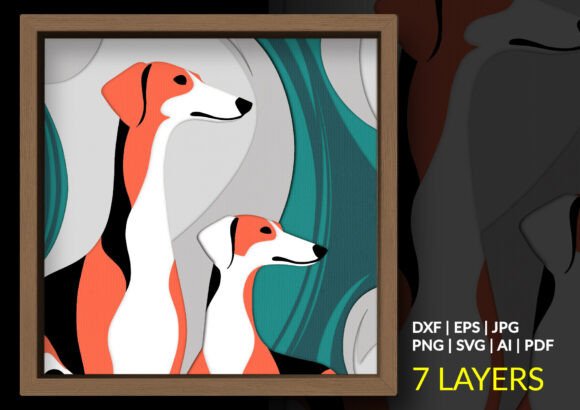
I recently pulled the 3D Greyhound Dog SVG Layered Shadow Box file from my library while prepping a visual concept for a boutique pet lifestyle brand. The client needed a hero graphic for their new line of handmade home decor, specifically targeting modern interiors that favor clean lines and subtle depth. As a designer who constantly evaluates graphic design assets for real-world application, my first step is always to assess the mood and structural integrity of the vector before committing it to a paid project.
The initial impression of this asset is one of refined elegance. It captures the sleek, aerodynamic silhouette of the Greyhound without relying on excessive detail, which is crucial for layered cutting. The design creates a sophisticated atmosphere, perfectly aligning with the "less is more" philosophy of contemporary modern design. For a client looking to establish a premium feel in their small business branding, this piece offers an immediate upgrade in perceived value compared to flat, single-layer clipart.
Integrating Depth into Brand Identity
In the context of brand identity and logo design, dimensionality can be a double-edged sword. However, this specific 3D SVG handles the transition from screen to physical product exceptionally well. I tested the layers against various typography styles to see how they interacted within a composite layout. When paired with a crisp sans serif font, the Greyhound acts as a strong emblem, grounding the logo with a sense of movement and grace. Conversely, pairing it with a delicate script font softened the overall look, making it ideal for wedding invitations or high-end pet bakery packaging.
For packaging design, the layered nature of this file is its strongest selling point. In my mockup phase, I separated the seven layers to simulate a laser-cut wooden sign or a multi-material sticker. The spacing between the layers allows light to create natural shadows, adding a tactile quality that flat digital products simply cannot achieve. This makes it an excellent candidate for print-on-demand sellers looking to differentiate their Etsy product listings with something that feels handcrafted and exclusive.
Versatility Across Marketing Channels
Beyond physical goods, I evaluated how this asset performs in digital spaces. For social media graphics, particularly Instagram posts and Pinterest pins, the depth of the image stops the scroll. It provides a focal point that draws the eye immediately. I incorporated the Greyhound into a Canva template for a seasonal campaign, and the vector scalability ensured it remained sharp on both mobile screens and desktop banners. It serves as a powerful tool for marketing visuals where emotional connection drives engagement; the graceful posture of the dog evokes feelings of loyalty and speed, resonating well with pet owners.
For Cricut users and crafters, the file organization is generally intuitive, but it requires a keen eye for material selection. The Shadow Boxes effect relies heavily on the contrast between layers. In my test cut, I used varying shades of cardstock to enhance the 3D illusion. This approach works beautifully for printable wall art or framed illustration pieces sold as part of a design bundle. It transforms a simple clipart element into a substantial piece of decor.
Strategic Placement and Limitations
While the asset is robust, there are specific scenarios where caution is required. This design shines in large layout areas and hero graphics where the nuances of the layers can be appreciated. It is perfect for product mockups, themed collections, and decorative accents on tote bags or mugs where the curve of the object complements the flow of the dog's body.
However, designers should be careful using this in crowded layouts or at very small sizes. When scaled down for a favicon or a small footer icon, the intricate layering can become muddy, losing the definition that makes the 3D Greyhound Dog SVG Layered Shadow Box special. It is also less suitable for strictly minimalist branding that demands absolute flatness, or for professional corporate materials that require a rigid, non-decorative visual hierarchy. In low-contrast designs, the subtle differences between the grey tones might vanish, so ensuring strong separation between layers is vital.
Technical Checks for Commercial Use
Before finalizing any commercial design, I run a strict checklist. First, I test the asset in black and white to ensure the form holds up without color reliance. This is critical for sublimation design or single-color vinyl applications. Next, I check the contrast on both light and dark backgrounds; the outer layers need to pop against the backdrop to maintain visual hierarchy.
I also preview the file at extreme scales—both tiny and massive—to inspect line weights and potential bridging issues in the cut files. Placing the design on real product mockups reveals how the shadows fall in a realistic environment. If the download includes PNGs, I inspect the transparency to ensure no halos exist around the edges. For the SVG itself, I open it in vector software to confirm that every path is editable, allowing me to tweak the spacing if a specific machine requires wider gaps for sticker design or wood inlays.
Finally, comparing the Greyhound against different typefaces is essential. While it pairs well with many styles, a heavy display font might overpower the delicacy of the dog, while a thin handwritten font might get lost. The goal is balance. And, perhaps most importantly, I always verify the commercial license. Using a creative marketplace asset for a client project means ensuring the terms allow for unlimited sales or specific usage rights, protecting both the designer and the handmade business owner from legal pitfalls.
Ultimately, the 3D Greyhound Dog SVG Layered Shadow Box is a versatile creative design tool. When used with intention and technical precision, it elevates web design, editorial design, and physical merchandise alike. It bridges the gap between digital convenience and artisanal quality, making it a valuable addition to any professional designer's toolkit for creating memorable design assets.